Table Of Content

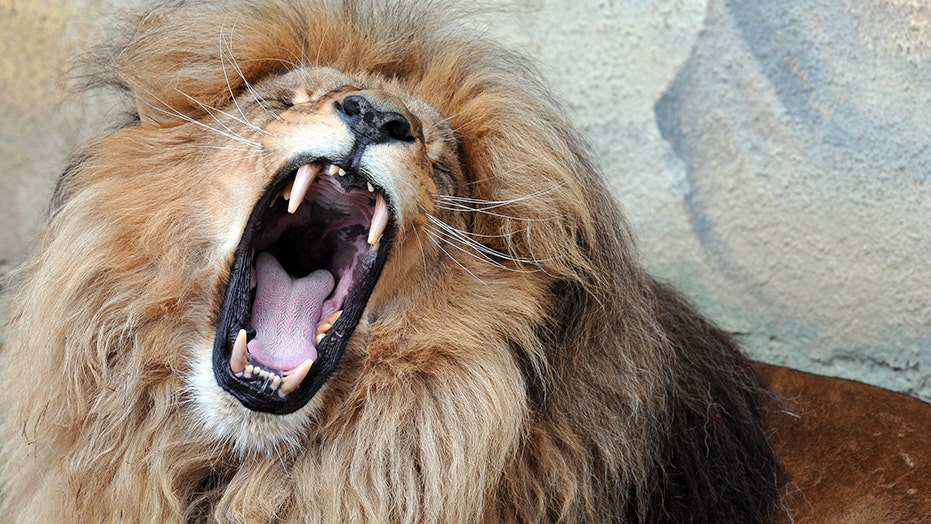
Darker, fuller manes indicate a healthy lion with plenty of testosterone. This makes him catnip to the ladies, but also tells potential rivals to beware; he won’t back down from a fight. Mane length is also a signal to other lions of fighting success (presumably manes are damaged in these challenges). …which might sound nice, but for young male lions, it’s a mixed blessing; the appearance of a mane is the pride’s cue to kick a lion out.
Sunday
Researchers studying lion populations often use mane condition as an aspect of overall health assessment and population monitoring. I purchased 2 young plants from the local College's Horticultural Department as "African Lion's Tails". They tolerate arid conditions well after growing to about a foot or more. The orange flowers that grow from the spiky pods look like small Lion's tails. As the pods mature, they turn brown at the top while the flowering portions progress downward.
What is a pride of lions?
Throughout a lion’s lifespan, the mane undergoes changes and serves as a representation of maturity and experience. The lion’s mane has cultural significance and has influenced mythology, folklore, literature, and art across different cultures. However, the lion’s mane faces threats from hunting, human-wildlife conflict, and habitat loss, making conservation efforts crucial for its preservation.
Human-wildlife conflict
However, more studies are required to comprehend how Lion's mane affects hair loss fully. Although Lion's mane mushrooms are said to have a host of health benefits, there isn't enough evidence to support their benefits for hair loss. However, there are various perceived ways in which Lion's mane mushrooms can promote hair growth.
The 7 Essential Lion's Mane Mushroom Benefits - Herb.co
The 7 Essential Lion's Mane Mushroom Benefits.
Posted: Tue, 02 Jan 2024 08:00:00 GMT [source]
Why Do Lions Have Manes? The Reason Behind This Head of Hair
A healthy and well-groomed coat indicates that a female is fertile and attractive to males. It also helps her to assert her dominance within the pride and protect her cubs from intruders. The mane’s color, size and abundance depend on the individual and its age. The mane not only helps the lion look more impressive to females but also more intimidating to other males. The lion’s mane may also protect the lion’s neck during a battle, typically with other males over territory and breeding rights.
Lion’s Mane throughout the Lifespan
By consuming Lion's mane, you may be able to avoid conditions brought on by stress, such as hair loss. Most people have hair loss as they become older because hair growth slows. Another cause of hair loss is alopecia areata, brought on when the immune system attacks the hair follicles responsible for holding the hair in place.
The male’s outstanding characteristic is his mane, which varies between different individuals and populations. In some lions the mane and fringe are very dark, almost black, giving the cat a majestic appearance. Manes make males look larger and may serve to intimidate rivals or impress prospective mates.
Lion manes are generally there to impress potential mates and intimidate potential rivals. But not all manes are created equally – some are more impressive than others. During courtship, male lions use their manes in displays to catch the attention of females. The lion’s mane, along with many other aspects of lion anatomy, has made the species a target for trophy hunting and wildlife trade.
Vitamins found in Lion mane can encourage hair growth
It serves as a visual display of the individual’s dominance and overall fitness. A well-developed and healthy mane signifies a strong and formidable presence, allowing lions to establish their authority and maintain their status within the pride hierarchy. This social signaling is important for maintaining order and reducing conflicts within the group. This heat problem may be the reason why some lion populations have very small, almost non-existent, manes.
Fortunately, evidence from studies(3) suggests that Lion's mane can control the levels of DHT and other hypothalamic hormones. In other words, these medicinal mushrooms may increase DHT levels in those with low levels and decrease DHT in those with high levels. Lions have a powerful bite, with sharp teeth that are designed for tearing flesh. Their jaws are also incredibly strong, allowing them to take down prey much larger than themselves. Today, there are only half as many African lions than there were 25 years ago. Manes are useful for keeping warm in cold climates and are an indication of strength and health.
They may also hunt elephants, rhinos, rodents, reptiles, insects and even crocodiles. They also scavenge or steal prey from leopards, cheetahs, hyenas, or wild dogs. The mane begins to develop around 3 to 4 months of age, and at this stage, it's very short and light in color, often resembling a fuzzy collar. I mean, it’s that epic, majestic-looking thing that encircles a lion’s head and just demands respect.
The rate of mane growth varies among individuals, with some lions taking longer to fully develop their manes than others. The lion’s mane plays a vital role in sexual selection, with lionesses showing a preference for males with larger and more impressive manes. A sizeable, well-groomed mane signals good health, genetic fitness, and an ability to protect and provide for the pride. Therefore, males with prominent manes have a greater chance of successfully mating and passing on their genes to the next generation. This preference has led to the evolution of larger and more elaborate manes over time. Sexual selection has been a driving force behind the evolution and development of the lion’s mane.




No comments:
Post a Comment